‘The World in a Wheat Field’ Traces the Green Revolution to Its Mexican Roots
Historian Gabriela Soto Laveaga follows high-yield wheat from Mexico to India and asks why bigger harvests did not end
Press Release Disclaimer: This is a press release distributed through the XPR Media network. It has not been independently verified by our newsroom.
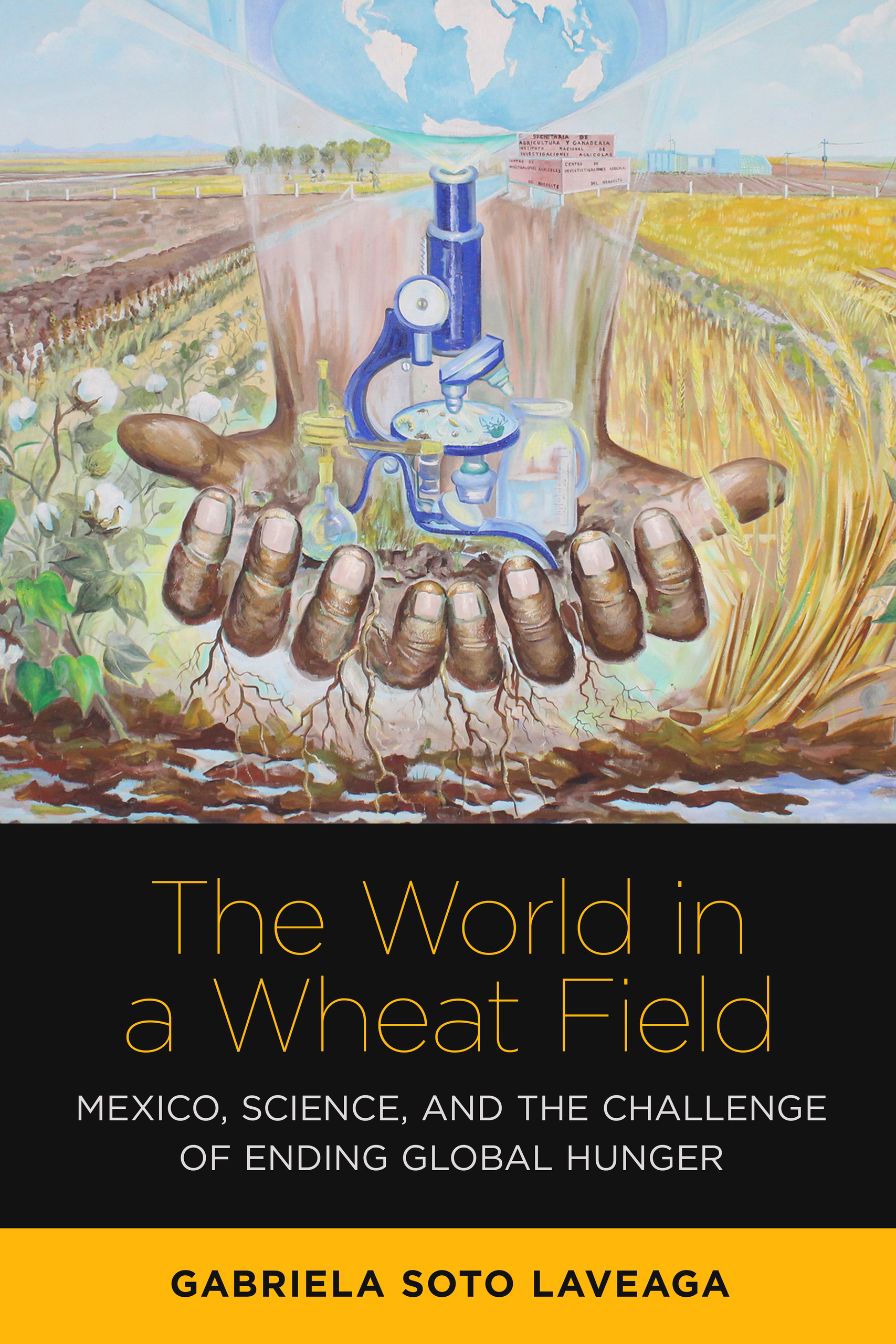

Historian Gabriela Soto Laveaga follows high-yield wheat from Mexico to India and asks why bigger harvests did not end hunger.
LOS ANGELES, CA, UNITED STATES, November 15, 2026 /EINPresswire.com/ — In 1966, a ship carrying 18,000 tons of wheat seed left Mexico’s port of Guaymas for drought-stricken India. The cargo was the product of years of work in Sonora’s Yaqui Valley, where Mexican agronomists and farmers helped develop and grow the wheat that would transform farming across much of the world. Harvard historian Gabriela Soto Laveaga follows that shipment and the people who made it possible in “The World in a Wheat Field: Mexico, Science, and the Challenge of Ending Global Hunger,” to be published November 17, 2026, from University of California Press.
Drawing on archival research and oral histories, Soto Laveaga revisits a story often told through the work of Nobel Peace Prize winner Norman Borlaug and the support of the Rockefeller Foundation. She traces how local growers organized to fund agricultural research and how dams and canals made intensive wheat farming possible while leaving Yaqui communities with less access to the river that sustained them.
The book also recovers a connection between Mexico and India that predates the wheat shipment. Pandurang Khankhoje, an Indian revolutionary who found refuge in Mexico, taught free agricultural classes and worked alongside Mexican agronomists. Decades later, when Mexican wheat reached India’s Punjab, local scientists and farmers adapted it to their own conditions, drawing on existing irrigation networks and public investment.
The new wheat increased yields and helped address urgent food shortages. It also required reliable irrigation, fertilizer and credit, resources that farmers could access on unequal terms. For Soto Laveaga, that history raises a question that still matters for efforts to fight hunger: When farmers harvest more grain, who can afford to eat it?
“The World in a Wheat Field” is scheduled for publication in paperback (ISBN 978-0-520-42639-9), hardcover (ISBN 978-0-520-42637-5) and ebook (ISBN 978-0-520-42640-5).
ABOUT THE AUTHOR:
Gabriela Soto Laveaga is Professor of the History of Science and Antonio Madero Professor for the Study of Mexico at Harvard University. Her research examines how scientific knowledge circulates across Mexico, India and the wider Global South. She is the author of “Jungle Laboratories: Mexican Peasants, National Projects, and the Making of the Pill.” In April 2026, she was inducted into the Academia Mexicana de la Historia.
MEDIA CONTACT:
To request a copy of “The World in a Wheat Field,” contact publicist Nanda Dyssou of Coriolis Company.
Nanda Dyssou
Coriolis Company
+1 424-226-6148
nanda@corioliscompany.com
Visit us on social media:
LinkedIn
Bluesky
Instagram
Facebook
X
Legal Disclaimer:
EIN Presswire provides this news content “as is” without warranty of any kind. We do not accept any responsibility or liability
for the accuracy, content, images, videos, licenses, completeness, legality, or reliability of the information contained in this
article. If you have any complaints or copyright issues related to this article, kindly contact the author above.

Media gallery